Vp Operations Jobs

403 jobs found β€” updated daily

VP, Supply Chain, Operations Excellence & Analytics

Baylor Geneticsβ€’,
β€’Hybrid

About The Position

The Vice President, Supply Chain, Operations Excellence, & Analytics is a senior operations leader responsible for building and optimizing the end-to-end supply chain and operational infrastructure supporting a high-performing genetics reference laboratory. This role will lead the functions responsible for logistics, specimen/sample management, kitting operations, supply chain and materials management, and strategic procurement, while also establishing a culture of Lean continuous improvement, operational excellence, and data-driven decision-making across Operations. The VP will play a critical role in ensuring that the laboratory has the right materials, specimens, kits, capabilities, processes, suppliers, and analytical insights to consistently deliver high-quality genetic testing services to customers and patients. In addition to leading core supply chain functions, this executive will establish and lead an Operations Analytics function, developing the data, reporting, performance management, and business intelligence capabilities necessary to improve operational performance, identify opportunities, anticipate constraints, and enable fact-based decision-making. The ideal candidate is a strategic and hands-on operations leader who combines deep operations expertise with a strong understanding of laboratory processes, Lean/Six Sigma methodologies, analytics, and organizational transformation.

Requirements

  • Bachelor's degree in Supply Chain Management, Operations, Engineering, Business, or a related discipline.
  • 15+ years of progressive experience in Operations and/or Operations Excellence
  • 5+ years in senior leadership roles (Exec Dir/VP or above)
  • Demonstrated experience leading multiple operational functions and building high-performing teams.
  • Experience in strategic sourcing, procurement, inventory management, logistics, and supply-chain optimization.
  • Demonstrated success leading Lean, Six Sigma, or other continuous-improvement initiatives.
  • Strong analytical and quantitative capabilities, with experience using data to drive operational decisions.
  • Demonstrated ability to lead complex, cross-functional initiatives in a rapidly changing environment.
  • Strong financial acumen, including experience managing budgets, costs, working capital, and business cases.
  • Excellent communication, influencing, negotiation, and executive leadership skills.

Nice To Haves

  • Experience in a genetics, molecular diagnostics, clinical laboratory, biotechnology, healthcare, or other highly regulated environment.
  • Experience managing biological specimens or other time- and quality-sensitive materials.
  • Experience with laboratory kit assembly, fulfillment, or collection-kit operations.
  • Experience implementing or scaling Operations Analytics/business intelligence functions.
  • Lean Six Sigma certification or equivalent demonstrated experience.
  • Advanced degree in Business, Operations, Supply Chain, Engineering, or a related field.

Responsibilities

  • Provide strategic leadership for the end-to-end supply chain supporting Baylor Genetics.
  • Develop and execute a comprehensive supply chain strategy aligned with business growth, testing volumes, customer requirements, quality standards, and financial objectives.
  • Lead demand planning, inventory management, materials planning, replenishment, forecasting, and supply availability.
  • Establish appropriate inventory strategies, safety-stock levels, reorder points, and service-level targets for critical materials and supplies.
  • Ensure continuity of supply for critical laboratory reagents, consumables, collection materials, packaging, and other operational requirements.
  • Develop supply-chain risk management strategies, including dual sourcing, supplier resilience, contingency planning, and critical-material risk assessments.
  • Optimize working capital while maintaining appropriate service levels and operational resiliency.
  • Establish meaningful supply-chain KPIs and performance-management routines.
  • Lead strategic procurement activities across laboratory, operational, technology, and indirect spend categories as appropriate.
  • Develop and execute category strategies that balance cost, quality, availability, innovation, risk, and supplier performance.
  • Negotiate and manage strategic supplier agreements, pricing, terms, service levels, and contractual commitments.
  • Develop strong strategic partnerships with key suppliers and establish formal supplier-performance management processes.
  • Identify opportunities for cost reduction, standardization, consolidation, and value creation.
  • Partner closely with Finance, Legal, Quality, Laboratory Operations, R&D, and other stakeholders on major sourcing and contracting initiatives.
  • Establish appropriate controls and governance for purchasing and supplier management.
  • Lead the strategy and performance of inbound and outbound logistics supporting specimen collection, transportation, testing, and reporting.
  • Optimize the end-to-end movement of patient specimens from collection through receipt, accessioning, testing, storage, and disposition.
  • Ensure specimens are transported reliably, efficiently, and in accordance with applicable regulatory, quality, and customer requirements.
  • Develop strategies to improve specimen turnaround time, transport reliability, specimen integrity, and cost per specimen.
  • Establish performance standards and metrics for courier, transportation, shipping, and logistics partners.
  • Partner with Laboratory Operations, Client Services, Quality, and Commercial teams to resolve specimen-management issues and improve customer experience.
  • Develop scalable logistics capabilities to support growth in testing volumes and geographic expansion.
  • Provide strategic leadership for the design, planning, and execution of kit assembly and fulfillment operations.
  • Ensure collection kits are produced accurately, efficiently, and in alignment with forecasted demand.
  • Optimize kit configurations, materials, labor, inventory levels, production capacity, and fulfillment processes.
  • Establish appropriate production planning and capacity-management processes.
  • Drive standardization and continuous improvement across kitting operations.
  • Partner with Product Development, Marketing, Commercial, Laboratory Operations, Quality, and Regulatory teams on new and revised kit designs.
  • Develop scalable kitting capabilities capable of supporting significant changes in volume, product mix, and customer requirements.
  • Establish and lead an enterprise-wide Lean Continuous Improvement program within Operations.
  • Develop a culture of continuous improvement focused on eliminating waste, improving flow, reducing variation, increasing productivity, and enhancing the customer and employee experience.
  • Identify and prioritize high-impact operational improvement opportunities across supply chain, logistics, sample management, kitting, and other operational functions.
  • Apply Lean methodologies and structured problem-solving approaches such as value-stream mapping, root-cause analysis, Kaizen, standard work, visual management, and process control.
  • Build internal capability by coaching leaders and teams in Lean principles and continuous-improvement methodologies.
  • Establish a disciplined approach to tracking improvement initiatives, benefits realization, and sustained results.
  • Establish and lead a centralized Operations Analytics function.
  • Develop a comprehensive Operations performance-management framework that translates business objectives into actionable KPIs.
  • Build dashboards and analytical tools that provide visibility into supply chain, logistics, specimen volumes, inventory, kit production, productivity, costs, service levels, and operational performance.
  • Develop predictive and prescriptive analytics capabilities to identify trends, anticipate constraints, and support proactive decision-making.
  • Establish a consistent source of truth for operational data and performance reporting.
  • Partner with Finance, IT/Data, Laboratory Operations, Commercial, and other functions to integrate operational data and improve analytical capabilities.
  • Use data to identify opportunities for cost reduction, capacity optimization, process improvement, and improved customer service.
  • Develop regular operating reviews and management routines that use data to drive accountability and action.
  • Ensure analytics efforts are focused on business outcomes rather than reporting for reporting's sake.
  • Build, develop, and lead a high-performing organization across supply chain, logistics, materials management, procurement, kitting, operational excellence, and analytics.
  • Establish clear organizational structures, roles, accountabilities, goals, and performance expectations.
  • Recruit, develop, coach, and retain high-caliber operational talent.
  • Create a culture characterized by accountability, collaboration, continuous improvement, customer focus, and disciplined execution.
  • Serve as a strategic partner to the executive leadership team and other functional leaders.
  • Translate enterprise strategy into clear operational priorities and measurable execution plans.
  • Lead through influence across a highly cross-functional, matrixed organization.

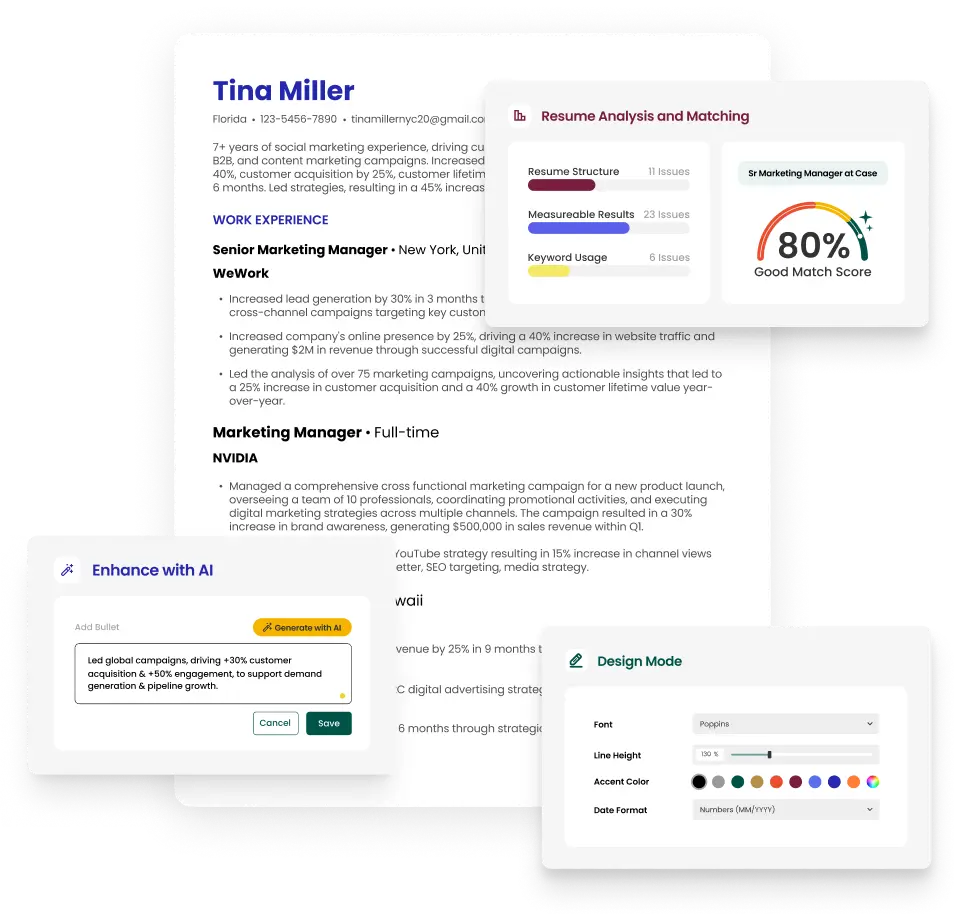
Build a Resume for Vp Operations

The resume builder that gets results.

  • Get clear feedback so you look as qualified as you are
  • Align your resume with the job to get further in the process, faster
  • Take the guesswork out of resume writing

Explore Related Job Searches

Frequently Asked Questions

Common questions about Vp Operations careers and jobs.

Based on current job postings on Teal, the average Vp Operations salary in the US is approximately $178,000 per year, with a typical range of $95,000 to $283,000.
Β© 2026 Teal Labs, Inc
Privacy PolicyTerms of Service