Education Coordinator Jobs

736 jobs found — updated daily

Rural Clinical Education Coordinator

The Lake Erie College of Osteopathic Medicine•Elmira, NY

About The Position

The Rural Clinical Education Coordinator develops, coordinates, and expands clinical education opportunities for medical students and residents in rural and medically underserved communities throughout New York State. The role builds partnerships with rural healthcare organizations and helps establish a comprehensive rural clinical education network that can provide high-quality longitudinal experiences, including multiple core rotations—and potentially most or all of the third-year core curriculum—within rural health environments. The coordinator recruits and supports rural physician preceptors and faculty, develops competency-based rural medicine curricula, expands rural workforce pathway programs, and assists with identifying opportunities for new graduate medical education programs and residency positions. The goal is to create a sustainable medical education-to-rural-workforce pipeline that increases student exposure to rural medicine and strengthens physician recruitment and retention in rural New York. This full-time position is expected to work 40 hours per calendar week when not on vacation, holiday, or conference. The role requires willingness and ability to travel throughout New York State, particularly to rural clinical training sites. The anticipated salary is $75,000 annually.

Requirements

  • Bachelor’s degree in business administration or a related field.
  • Knowledge of student and patient privacy requirements, including FERPA and HIPAA.
  • Ability to follow OSHA and safety guidelines and protect office, medical, and facility equipment.
  • Strong written and verbal communication skills and computer literacy, including MS Office applications such as Word, PowerPoint, and Excel.
  • Accurate data-entry skills, strong organization, attention to detail, and follow-through.
  • Must be trained and certified on the Institutional Data System.
  • Ability to maintain confidentiality and an established work schedule.
  • Ability to assess and prioritize multiple tasks, projects, and demands.
  • Effective interpersonal, communication, organizational, and planning skills, including tact and diplomacy.
  • Ability to establish and maintain effective working relationships and work cooperatively and collegially with others.
  • Flexibility to accept other duties as assigned and ability to accept work directives respectfully and cooperatively.
  • Ability to report to work as scheduled and devote full attention and energy to the work of LECOM.
  • Strong capabilities in healthcare partnership development, project management, clinical education coordination, physician and faculty recruitment, relationship management, program development, data collection and outcomes assessment, interdisciplinary collaboration, and rural healthcare workforce development.
  • Demonstrated ability to develop partnerships among educational institutions, physicians, healthcare organizations, and community stakeholders.
  • Strong organizational, project management, communication, and relationship-development skills.
  • Ability to manage multiple clinical sites, educational partnerships, and learner placements simultaneously.
  • Ability and willingness to travel throughout New York State, particularly to rural clinical training sites.
  • Ability to perform essential job functions with or without reasonable accommodations.

Nice To Haves

  • Master’s degree in healthcare administration, education, public health, business administration, or a related field.
  • Experience in medical education, healthcare administration, clinical education, graduate medical education, physician recruitment, rural health, or healthcare workforce development.

Responsibilities

  • Develop and expand clinical rotation opportunities throughout rural and underserved areas of New York State.
  • Establish third-year core rural clinical rotations in Family Medicine, Internal Medicine, Pediatrics, Obstetrics and Gynecology, Psychiatry, Surgery, and other required clinical experiences.
  • Develop rural clinical education sites that can support longitudinal student experiences and multiple core rotations within a rural community or regional healthcare network.
  • Coordinate student placement, scheduling, supervision, evaluation, and educational oversight at participating rural clinical sites.
  • Work with clinical partners to ensure rotations provide appropriate patient volume, case diversity, supervision, and educational experiences.
  • Establish and maintain partnerships with rural healthcare organizations, including hospitals and health systems, federally qualified health centers, community health centers, physician practices, behavioral health organizations, and public health agencies.
  • Identify additional healthcare organizations capable of participating in undergraduate and graduate medical education.
  • Develop sustainable relationships between LECOM and rural healthcare organizations to support medical education and physician workforce development.
  • Identify, recruit, credential, and support physicians and other qualified clinicians as rural clinical preceptors and faculty.
  • Develop strategies to increase the number and geographic distribution of rural physician preceptors.
  • Coordinate faculty appointments, orientation, educational resources, and ongoing faculty development.
  • Train and support faculty in clinical teaching, learner assessment, feedback, competency-based education, and supervision.
  • Maintain communication with rural preceptors to identify educational needs and improve the clinical learning environment.
  • Assist in developing a competency-based curriculum focused on rural medical practice, including primary care, preventive medicine, population health, chronic disease management, behavioral and mental health, social determinants of health, care of underserved populations, interprofessional care, healthcare access and resource limitations, rural emergency and acute care, care coordination, community health assessment, and rural healthcare systems and workforce challenges.
  • Develop opportunities for students to participate in interdisciplinary clinical teams.
  • Develop longitudinal rural training experiences that build relationships among students, patients, physicians, healthcare organizations, and rural communities.
  • Develop a model for third-year students to complete multiple core rotations within a rural region while maintaining continuity of educational supervision and community engagement.
  • Develop experiences that extend from undergraduate medical education into graduate medical education and eventual rural practice.
  • Work with LECOM leadership and clinical partners to identify opportunities for residency programs and positions in rural and medically underserved communities.
  • Assist organizations in evaluating the feasibility of residency programs, particularly in primary care and other specialties important to rural healthcare delivery.
  • Support residency development planning, including identification of clinical resources, faculty, patient populations, educational infrastructure, and potential funding opportunities.
  • Develop and expand educational pathway programs that encourage students to enter rural medicine and practice in rural New York.
  • Collaborate with colleagues, medical schools, healthcare and community organizations, and rural communities to strengthen the educational pipeline into rural healthcare careers.
  • Support recruitment initiatives for students interested in rural medicine and medically underserved communities.
  • Develop longitudinal mentoring opportunities among medical students, residents, rural physicians, and other healthcare professionals.
  • Develop and maintain a monitoring system for rural clinical education activities.
  • Collect and analyze data on clinical placements, participating sites, faculty recruitment, learner experiences, educational outcomes, and workforce development.
  • Prepare periodic reports for LECOM leadership, grant administrators, healthcare partners, and other stakeholders.
  • Use program evaluation data to support continuous quality improvement.
  • Participate in scholarly activity to enrich and broaden the student learning experience.
  • Represent LECOM through active community involvement, including board service, fundraisers, and outreach.
  • Take direction and receive assignments from the Provost, Senior Vice President, and Dean of Academic Affairs or designee.
  • Work assigned hours and accept other duties as needed for the institution.
  • Follow privacy requirements, including FERPA and HIPAA, and proper OSHA and safety guidelines; protect office, medical, and facility equipment.
  • Maintain confidentiality, follow an established work schedule, report ready to work as scheduled, and accept work directives respectfully and cooperatively.
  • Establish and maintain effective working relationships; collaborate collegially in accordance with workplace dignity, respect, and EEO rules and regulations.
  • Manage multiple tasks, projects, demands, clinical sites, educational partnerships, and learner placements; prioritize work and follow through accurately.
  • Use communication, organizational, planning, interpersonal, and computer skills, including MS Office and accurate data entry.
  • Complete training and certification on the Institutional Data System.

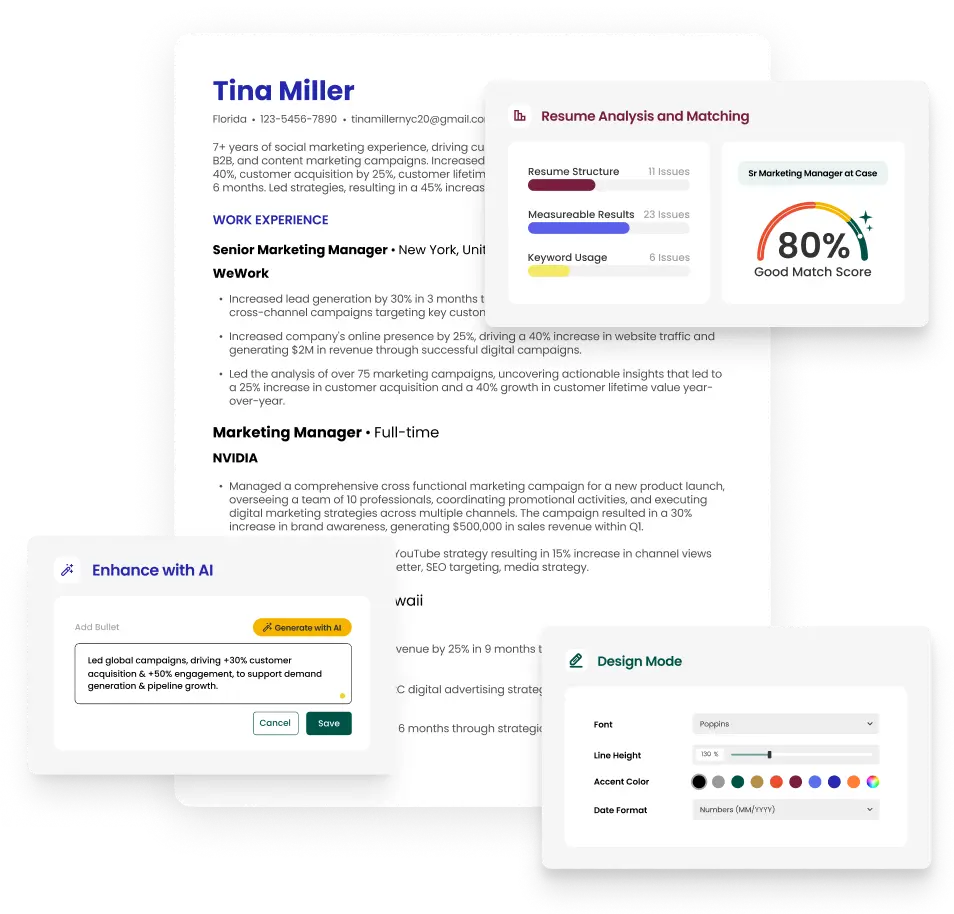
Build a Resume for Education Coordinator

The resume builder that gets results.

  • Get clear feedback so you look as qualified as you are
  • Align your resume with the job to get further in the process, faster
  • Take the guesswork out of resume writing

Explore Related Job Searches

© 2026 Teal Labs, Inc
Privacy PolicyTerms of Service