Human Factors Engineer Jobs

64 jobs found — updated daily

Senior Human Factors Engineer

Amgen•Thousand Oaks, CA

About The Position

Amgen’s Senior Human Factors Engineer leads human factors engineering and usability engineering planning, research, development, and continuous improvement for drug delivery devices. The role applies human factors best practices and relevant regulations and guidelines across medical devices, combination products, and biopharmaceutical products. The engineer serves as a user advocate and thought leader, collaborating with internal and external partners across functions to help ensure product interfaces support safe and effective use. The position leads study design, methodology, data collection, and root-cause analysis to inform product design. It supports the development of device-user interfaces, including devices, packaging, labeling, and instructions for use, and applies a risk-prioritized, fit-for-purpose approach to human factors activities. The role also contributes human factors expertise to clinical study preparation, development documentation, design controls, and regulatory submissions. Travel may be required up to 20% annually, mostly local and domestic.

Requirements

  • Doctorate degree; or a master’s degree and 2 years of human factors engineering/usability engineering experience in the biomedical, pharmaceutical, or medical device field; or a bachelor’s degree and 4 years of such experience; or an associate’s degree and 8 years of such experience; or a high school diploma/GED and 10 years of such experience.
  • Experience in human factors engineering or usability engineering in the biomedical, pharmaceutical, or medical device field, as applicable to the stated education pathway.

Nice To Haves

  • Bachelor’s or master’s degree in human factors, usability engineering, psychology, industrial design, engineering, or a relevant discipline, and 5–7 years of industry experience in multifunctional, fast-paced corporate environments.
  • Experience with design and manufacturing of injectable devices, such as autoinjectors, pens, needle-free injectors, and syringes, or non-invasive/minimally invasive drug-delivery devices, such as pulmonary or transdermal systems.
  • Experience planning, coordinating, conducting, analyzing, and reporting human factors studies without vendor support.
  • Experience with ethnographic research, interviews, contextual inquiries, focus groups, technical assessments, device user-interface evaluation, knowledge and comprehension studies, professional analysis, task analysis, hazard analysis, risk assessment, and formative and summative studies.
  • Experience working directly with users to gather and synthesize research, develop product concepts and features, and evaluate user interfaces and ergonomic designs.
  • Experience using low- and high-fidelity prototypes to identify and eliminate potential use errors early in development.
  • Experience in development organizations, particularly virtual development environments.
  • Experience with systems design, verification, and validation in development organizations.
  • Practical knowledge of applicable FDA human factors guidance, regulations, and standards, including IEC 62366, AAMI HE75, EN 60601 1-6, ISO 14971, MDR, and design controls.

Responsibilities

  • Partner with engineering, operations, regulatory, risk, quality, clinical, drug product, digital health, and commercial teams to help ensure products are safe and effective for end users.
  • Lead and support human factors and usability engineering activities to improve device-user interface design, including devices, packaging, labeling, and instructions for use.
  • Develop and implement a risk-prioritized, fit-for-purpose approach to human factors activities.
  • Ensure human-system capabilities and limitations are reflected in system requirements and provide human factors input across functions for device design, packaging, labeling, and training requirements.
  • Identify and conduct appropriate activities to improve device-user interfaces and minimize potential use errors.
  • Analyze objective and subjective usability-study data to inform product design, identify and mitigate use risk, and develop solutions.
  • Lead the design and execution of formative and summative human factors activities, including moderation, note taking, vendor engagement, and data analysis.
  • Provide human factors expertise for clinical study preparation and regulatory submissions in accordance with applicable best practices, guidance, and standards.
  • Create development and design-control documentation, including protocols, task analyses, use-related risk analyses, usability technical assessments, human factors validation reports, and regulatory submission materials.
  • Communicate regularly with internal and external partners.

Benefits

  • Comprehensive employee benefits package, including a retirement and savings plan with company contributions, group medical, dental and vision coverage, life and disability insurance, and flexible spending accounts.
  • Discretionary annual bonus program, or a sales-based incentive plan for field sales representatives.
  • Stock-based long-term incentives.
  • Award-winning time-off plans.
  • Flexible work models where possible.
  • Work/life balance and career development opportunities.

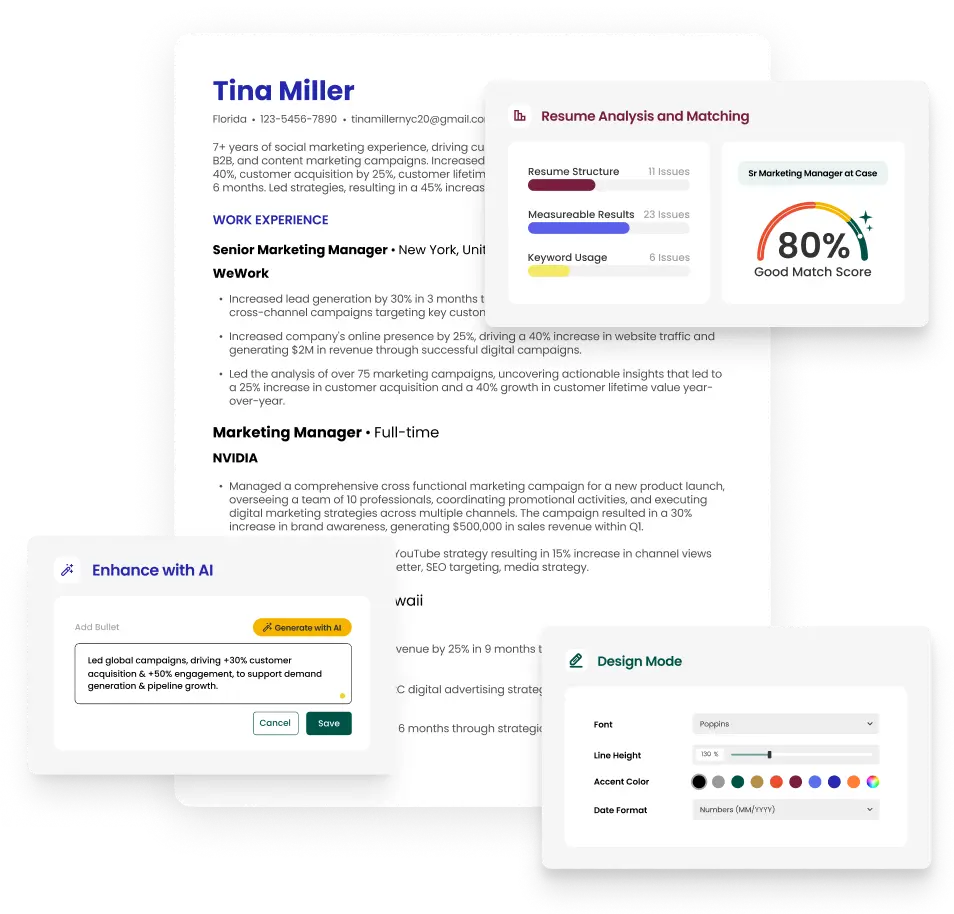
Build a Resume for Human Factors Engineer

The resume builder that gets results.

  • Get clear feedback so you look as qualified as you are
  • Align your resume with the job to get further in the process, faster
  • Take the guesswork out of resume writing

Explore Related Job Searches

Frequently Asked Questions

Common questions about Human Factors Engineer careers and jobs.

Based on current job postings on Teal, the average Human Factors Engineer salary in the US is approximately $130,000 per year, with a typical range of $58,000 to $231,000.
© 2026 Teal Labs, Inc
Privacy PolicyTerms of Service