Lcsw Jobs

2,987 jobs found — updated daily

Crisis Intervention Specialist I/II (CSWA / LCSW)

Legacy Health•Portland, OR
•$41 - $59

About The Position

The Crisis Intervention Specialist provides patient-centered, trauma-informed, short-term urgent and emergent behavioral health services, including mental health and addictions care, in adult and pediatric emergency settings across the health continuum. The role supports patients, family members, and practitioners with focused, effective, patient-driven, evidence-based interventions to help de-escalate crisis situations and guide patients through the continuum of care. This position is specific to Unity Center for Behavioral Health. The specialist works independently and collaboratively as part of a multidisciplinary team, providing behavioral health consultations and support to practitioners, patients, and families. Services include brief psychosocial and drug and alcohol assessments, crisis intervention, hold assessment, supportive counseling, emergency department diversion, care coordination and communication with medical teams and community providers, and transitions of care and discharge planning.

Requirements

  • Master’s degree in Social Work, Counseling, or another behavioral health field as required by licensure or credential.
  • For Crisis Intervention Specialist I, at hire: Clinical Social Work Associate (CSWA), Professional Counselor Associate, Marriage and Family Therapist Associate, or registered Qualified Mental Health Professional (QMHP). A QMHP is acceptable for hire, but employees must pursue the clinical license applicable to their degree: LCSW, LPC, or LMFT.
  • For Crisis Intervention Specialist II, at hire: Licensed Clinical Social Worker (LCSW), Licensed Professional Counselor (LPC), or Licensed Marriage and Family Therapist (LMFT).
  • Broad knowledge of crisis assessment and intervention principles and the ability to apply them with individuals, families, and/or groups, taking account of development, aging, illness-related changes, acute, chronic, and terminal illness, culture, and literacy.
  • Knowledge of medical, mental health, and substance use diagnoses, disabilities, treatment procedures, acute and chronic illnesses and injuries, common medications and their effects or side effects, and medical terminology.
  • Strong organizational, communication, and collaboration skills, including effective triage of patient and family needs, interdisciplinary teamwork, collaboration with community stakeholders and resources, and written documentation.
  • Knowledge of social determinants of health, diversity, equity, inclusion, and culturally responsive practice with populations that have experienced historical marginalization.
  • Ability to locate, use, and advocate for patient and family access to hospital and community resources.
  • Ability to navigate an electronic medical record and use basic computer programs effectively.
  • Knowledge of legal, regulatory, and compliance requirements and the current health care environment; ability to serve as a resource to team members on these issues.
  • Crisis Intervention Specialist II: Two years of relevant experience in care management, mental health and/or addictions services, medical social work, or a social service organization.

Nice To Haves

  • Crisis Intervention Specialist I: Experience assessing and diagnosing adults experiencing a mental health crisis preferred.
  • Crisis Intervention Specialist II: Three years of relevant experience preferred.

Responsibilities

  • Provide patient-centered, trauma-informed, short-term urgent and emergent behavioral health services in adult and pediatric emergency settings.
  • Work independently and collaboratively as part of a multidisciplinary team.
  • Provide behavioral health consultations and support to practitioners, family members, and patients.
  • Use focused, effective, evidence-based behavioral interventions.
  • Conduct brief psychosocial assessments and brief drug and alcohol assessments.
  • Provide crisis intervention and hold assessment.
  • Provide supportive counseling and emergency department diversion.
  • Coordinate care and communicate with the medical team, family, referents, access workers, and community-based providers.
  • Support transitions of care and discharge planning.
  • Guide patients through the continuum of care.
  • Document the rationale for discharging patients presenting some level of risk.
  • Recognize potentially dangerous situations and seek assistance from additional personnel to ensure safety.
  • Describe and document medical necessity for hospitalization.
  • Use verbal de-escalation skills as needed.

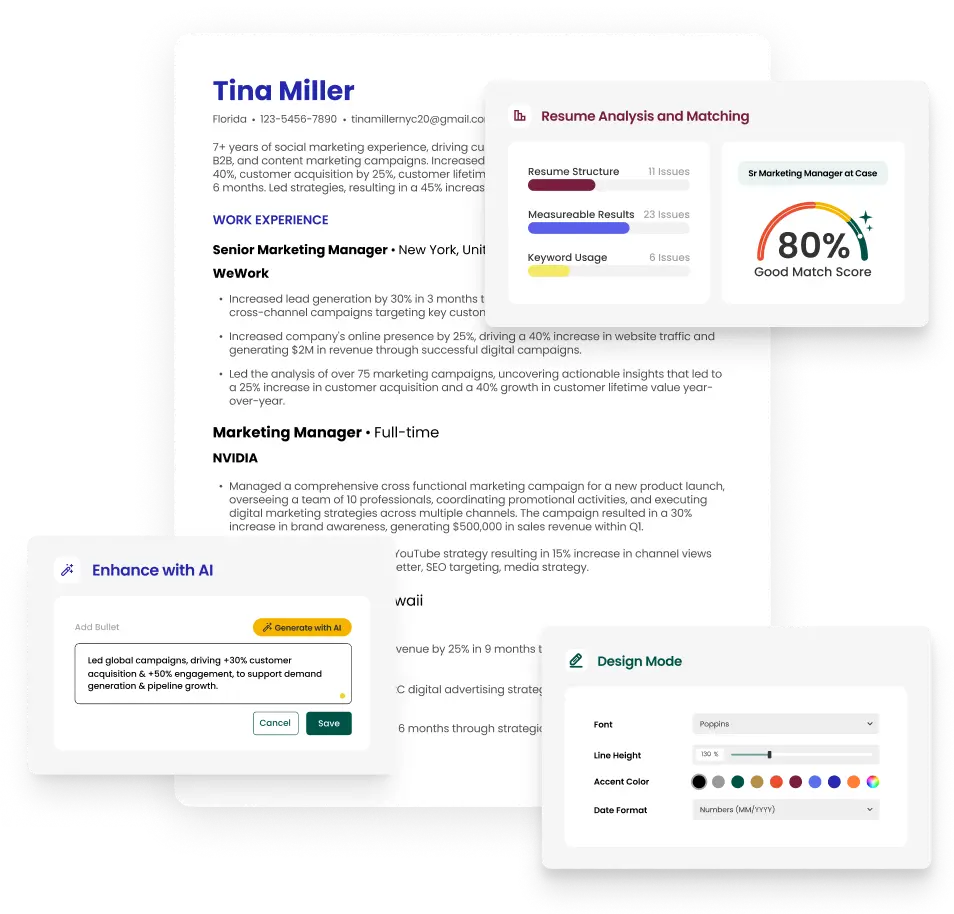
Build a Resume for Lcsw

The resume builder that gets results.

  • Get clear feedback so you look as qualified as you are
  • Align your resume with the job to get further in the process, faster
  • Take the guesswork out of resume writing

Explore Related Job Searches

© 2026 Teal Labs, Inc
Privacy PolicyTerms of Service