Correctional Counselor Jobs

7 jobs found — updated daily

Corrections Specialist 3 - Reentry Navigator

State of WashingtonSpokane County – Spokane, WA
Hybrid

About The Position

This opportunity is only open to current Washington State Department of Corrections employees. Our agency is looking to hire a non-permanent Corrections Specialist 3 within the Reentry Division. This position is based at the Eleanor Chase House Reentry Center in Spokane, WA. The working schedule is Monday - Friday, 8:00 a.m. to 5:00 p.m. This non-permanent appointment is anticipated to last through December 31, 2026. The Department’s mission is to improve public safety with a key goal to positively change lives with the objective to reduce recidivism, or the rate of return to institutions the first year after release, by increasing the number of individuals who receive reentry transition services and direct resources to focus on successful transition. This position is a member of the Reentry Division, Reentry Navigator Team. The Reentry Division includes Education, Correctional Industries, Housing Voucher, and Strength in Families, just to name a few. This position also serves as a member of reentry care teams that may include, but not be limited to, institution and community supervision staff, iCoach representatives, family, faith-based support, mentors, housing providers, Health and Human Service providers, and community support. This position directly supports achieving Governor Inslee’s Results Washington goal of DOC reducing recidivism and facilities compliance with RCW 72.09.270 regarding legislatively mandated Individual Reentry Plan (IRP). This position is critical in supporting successful reentry and thereby reducing the likelihood of recidivism and increasing safety for the public, staff, and incarcerated individuals.

Requirements

  • High school diploma/GED and 5 years’ experience providing reentry/transition support to justice-involved population.
  • Five years of experience needs to include: Three years of experience working with a range of system and community-based resources available to support the diverse spectrum of potential reentry needs such as collaborative relationships with entities external to the agency, such as county, city, and regional jails, residential/outpatient treatment facilities, housing organizations, health and human services providers, and/or work release facilities OR three years of experience using participant-driven reentry strategies in adult or juvenile corrections, social services, or closely related field.
  • OR Associate's degree and 4 years’ experience providing reentry/transition support to justice-involved population.
  • OR Bachelor’s degree and 3 years’ experience providing reentry/transition support to justice-involved population.
  • OR Master’s degree and 2 years’ experience providing reentry/transition support to justice-involved population.
  • Ability to communicate clearly and concisely, both orally and in writing, with program participants, staff at all levels within the Agency and with a broad range of system- and community-based external stakeholder organizations.
  • Ability to build strong rapport with justice involved individuals and use effective engagement strategies to maintain open communication; gauge participant competencies; discuss needs, barriers, and goals; collaborate in problem- solving; and support each participant's capacity to prioritize action steps.
  • Ability to develop proficient skills in group facilitation.
  • Ability to work both independently and in close collaboration with system- and community-based stakeholders.
  • Demonstrate a willingness to receive, internalize, and learn from feedback to exhibit professional growth.
  • Knowledge of prison-, jail- and community corrections-based standards and rules with the ability to analyze information to identify problems and develop subsequent action and strategic plans.
  • Possession of good interpersonal skills, ability to work without direct supervision, demonstration of high degree of motivation.
  • Facilitator Skills - Demonstrates empathy, understanding of group processes and interpersonal interactions, and the ability to control a group of individual participants through non-coercive means.
  • Community Relationships - Participates in the formation and maintenance of successful relationships with criminal justice partners and community resources.
  • Observation - Observes and strategizes personal response based on environmental conditions and human behavior.
  • Stress Tolerance - Remains calm and rational while handling difficult situations to include, but not limited to: volatile, threatening, or other crisis/emergency situations. Expertly intervenes in response to threats.
  • Professional Standards - Knows and applies community corrections related law, policy, procedure, and practice. Adheres to productivity standards and timelines established by law and policy. Identifies own training needs and proactively seeks training opportunities.
  • Adaptability - Incorporates new information into an existing framework of understanding. Accepts change and supports the Agency through changes in law, policy, and procedure.
  • Maintain regular and reliable attendance.
  • Complete a felony disclosure form prior to employment and submit to a criminal background check.
  • Successfully complete, within mandated timeframes, employee orientation and all other mandatory annual, in-service and other required training.
  • Provide physical residential address and home telephone number to the Department of Corrections.
  • Become familiar and comply with all Department policies and procedures and Collective Bargaining Agreements as applicable.
  • Submit to drug testing in accordance with Collective Bargaining Agreement and agency policy.

Nice To Haves

  • Expertise in the Washington State criminal justice system (i.e. law enforcement, prosecution, courts, correctional facilities, and community correction supervision) from the point of arrest to the point of release from jurisdictional custody.
  • Working knowledge of the key decision points for the transition of person released from prison or jail to the community transition and intent and desired outcomes.

Responsibilities

  • Provide reentry navigation by assisting individuals in completing Individual Reentry Plans, Essential Needs Checklist, coordinating Reentry Team Meetings or participating in wraparound meetings, providing transfer day support as needed, and providing resource navigation that meet the identified needs and/or Scorecard items.
  • Reentry navigation services include connecting appropriate resources and support systems based upon the individual’s risk, needs, and reentry goals and objectives: Identify existing evidence-based programs and services that address criminogenic needs identified through the Washington ONE assessment in coordination with the individual’s correctional counselor, corrections specialist, or community corrections officer.
  • Provide resource navigation and assist with the referral process to identified programs and services in coordination with the individual’s corrections counselor, corrections specialist, or community corrections officer.
  • Coordinate Reentry Team Meetings with the individual and reentry team members to support stabilization and progressive achievement of identified goals and execution of the reentry plan for successful reintegration into the community.
  • Meet with incarcerated individuals, key correctional staff, pro-social supporters (if available), health services and treatment staff (when applicable) for participants to identify programs, services and resources that address risk and needs during confinement, partial confinement, and following release or transfer to support successful reentry.
  • Identify what resources are available in the community matching individual’s IRP/Scorecard needs that will provide long-term benefits to the community and the individual.
  • Develop essential needs checklist with the individual to provide a plan for the critical first 72 hours after an individual’s release or transfer.
  • Maintain regular communication with participant through workshops, facility visits, e-mail, telephonic or office visit.
  • Attend facility and community Reentry Resource Events that promote engagement with community partners and provide ongoing support for individuals in their communities.
  • Request and process essential needs funds for transfer day support.
  • Support the work of incarcerated individuals in developing Individual Reentry Plans to address the needs of the individuals including education, employment, substance abuse treatment, mental health treatment, family reunification, and other areas which are needed to facilitate a successful reintegration into the community.
  • Support incarcerated individuals in development of IRPs through workshops, groups, or individual work in conjunction with internal and external stakeholders.
  • Identify reentry programs and services within the assigned areas of coverage.
  • Coordinate with Correctional staff to ensure that the individuals are referred and connected to the appropriate programs and services that are based upon risk and needs.
  • Recruit, schedule and facilitate community-based partners to present workshops and resource information for reentry planning efforts within the institutions and in the community.
  • Provide effective communication, documentation, collaboration, and community outreach.
  • Collect and track data related to reentry outcomes including IRP completion, reentry planning workshops/groups/individual efforts, Essential Needs Checklist completion, transfer day support, Reentry Team Meetings, and regular contact with individuals.
  • Record, access, update, and retrieve participant-related information from agency
  • Represent the agency on various community groups that provide services and partnerships to ensure continuous engagement of a wide range of systems and community-based agencies in an effort to leverage available resources that may support sustainable reentry.
  • Connect incarcerated individuals with community justice center and/or community transition coordination network in the area in which the incarcerated individual will be residing once released from the correctional system.
  • Other duties as assigned.

Benefits

  • Flexible schedules
  • Comprehensive compensation packages
  • Training and development opportunities
  • The fulfillment of public service
  • Remote/telework/flexible schedules (depending on position)
  • Up to 25 paid vacations days a year
  • 8 hours of paid sick leave per month
  • 12 paid holidays a year
  • Generous retirement plan
  • Flex Spending Accounts
  • Dependent Care Assistance
  • Deferred Compensation

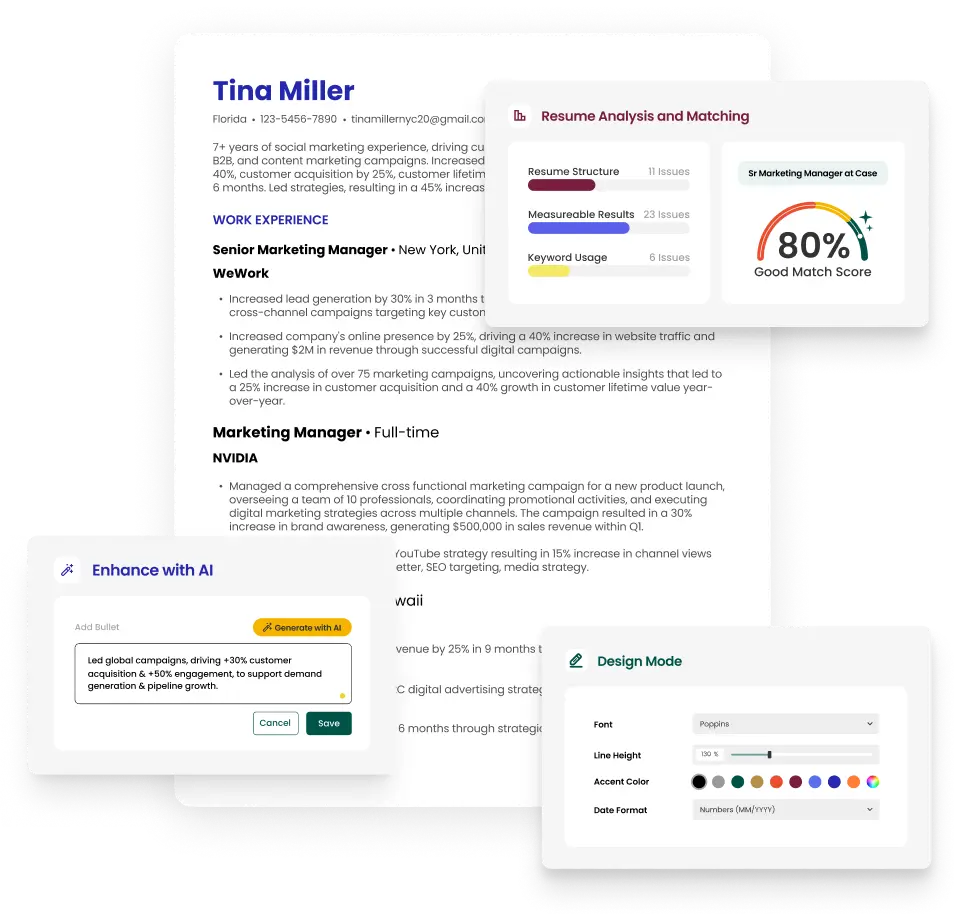
Build a Resume for Correctional Counselor

The resume builder that gets results.

  • Get clear feedback so you look as qualified as you are
  • Align your resume with the job to get further in the process, faster
  • Take the guesswork out of resume writing

Explore Related Job Searches

Frequently Asked Questions

Common questions about Correctional Counselor careers and jobs.

Based on current job postings on Teal, the average Correctional Counselor salary in the US is approximately $65,000 per year, with a typical range of $44,000 to $90,000.
© 2026 Teal Labs, Inc
Privacy PolicyTerms of Service