

3 key takeaways
- A sustainable pace wins—successful job seekers saved about 10 jobs and submitted around 5 applications per week
- Tailoring your resume doesn't have to be time-consuming—a few tweaks for each application add up
- Most people land an offer within about 2 months of consistent effort
If a new job is on your list for 2026, you're not alone. The new year is one of the most popular times to start a job search—and one of the best. Hiring picks up in January, and companies are eager to fill roles before Q1 kicks into gear.
To help you hit the ground running, we looked at what actually worked for job seekers in 2025. Over 1.6 million people used Teal to organize their search and build stronger resumes. We analyzed 14.5k who tracked their search all the way through to a job offer to see what patterns emerged. (This is just the group who logged offers in Teal—many more landed jobs but didn't update their tracker once they got the good news!)
Here's the thing: what they did is totally doable. Here's how you can apply the same approach to your search.

What a Successful Job Search Looked Like
We found successful job seekers followed a simple, repeatable routine:
- 10 jobs saved per week to research and consider
- 5 applications per week to roles that were a good fit
- A tailored resume for each application (small tweaks, not rewrites)
- An offer in about 2 months of consistent effort
That's a pace you can maintain without burning out.
Step 1: Save 10 Jobs a Week
Start by building a list of possibilities. Spend a little time each week browsing job boards and saving anything that catches your eye.
No pressure to be perfect here—you're not committing to anything yet. You're collecting options.
Why this helps: You'll start to notice patterns in what you're drawn to. And when you're ready to apply, you'll have a pipeline of jobs to choose from instead of starting from scratch.
How to do it:
- Set aside 20 minutes a few times a week for browsing
- You can always narrow down later—for now, just collect
How to do it with Teal:
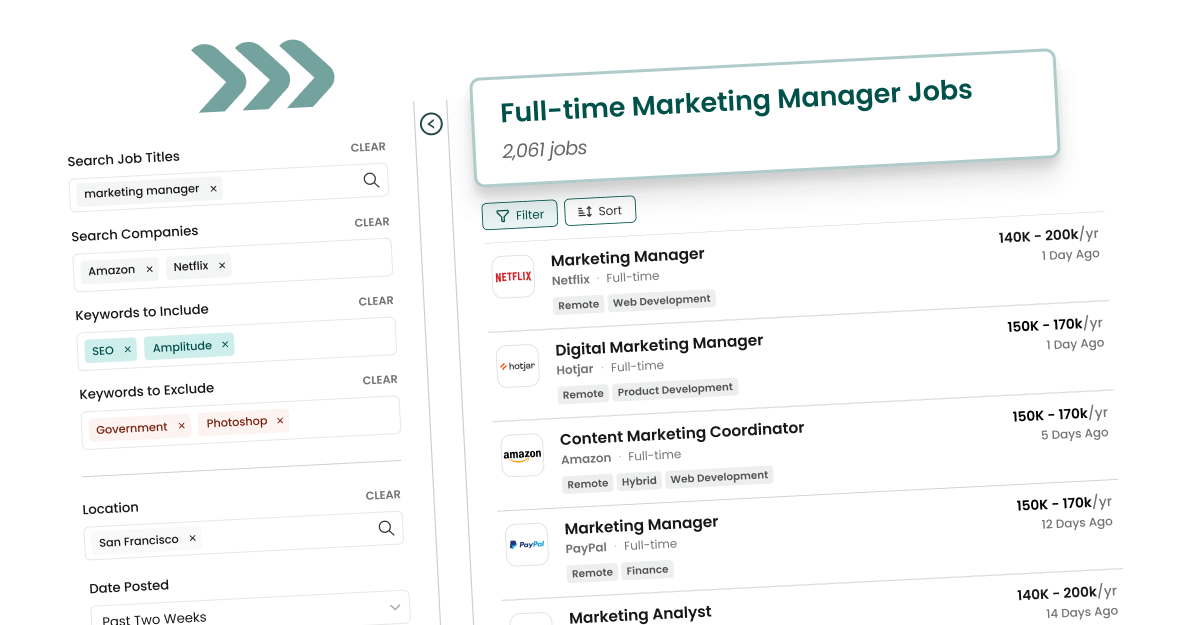
- Job Board - Browse millions of jobs from top job sites in one place
- AI Job Search - Describe what you're looking for and let AI surface relevant roles
- Chrome Extension - Save jobs from LinkedIn, Indeed, or anywhere else you find them
Step 2: Apply to 5 Jobs a Week
From the jobs you've saved, pick the ones where you're genuinely a strong fit. Successful job seekers applied to about half of what they saved—they were selective.
You don't need to rewrite your resume for every job. Small adjustments—tweaking your summary, reordering bullets, adding a keyword—make a real difference. Once you have a system, this takes about 10–15 minutes per application.
Why this helps: Hiring managers skim resumes quickly. When your most relevant experience is front and center—using language that matches the job description—you're more likely to get a closer look.
How to do it:
- Review your saved jobs and ask: "Does my experience match most of what they're looking for?"
- Create one strong "master" resume, then adjust your summary and reorder bullets for each application
- It's okay to skip jobs that aren't the right fit—that's the whole point of saving first
How to do it with Teal:
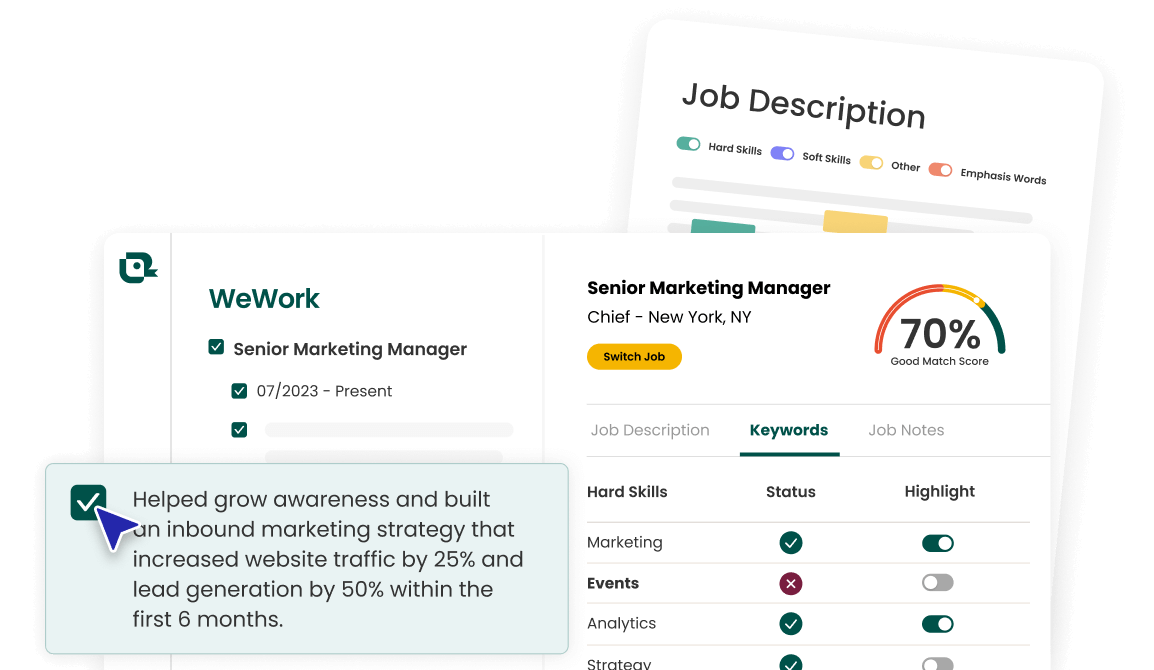
- Match Score - Import your resume or LinkedIn profile, then see how well you match each job before you apply
- Keyword Matching - Quickly spot missing keywords so you can tailor your resume
- AI Resume Tools - Strengthen your bullet points—AI helps you find the right words for what you've actually done
Step 3: Stay Consistent
Most successful job seekers landed an offer within about 2 months of starting their search. Some moved faster, some took longer—but consistency was the common thread.
You don't need to make job searching your whole life. A little progress every day adds up.
How to stay on track:
- Set small weekly goals you can actually hit
- Block time on your calendar—even 30 minutes a day keeps things moving
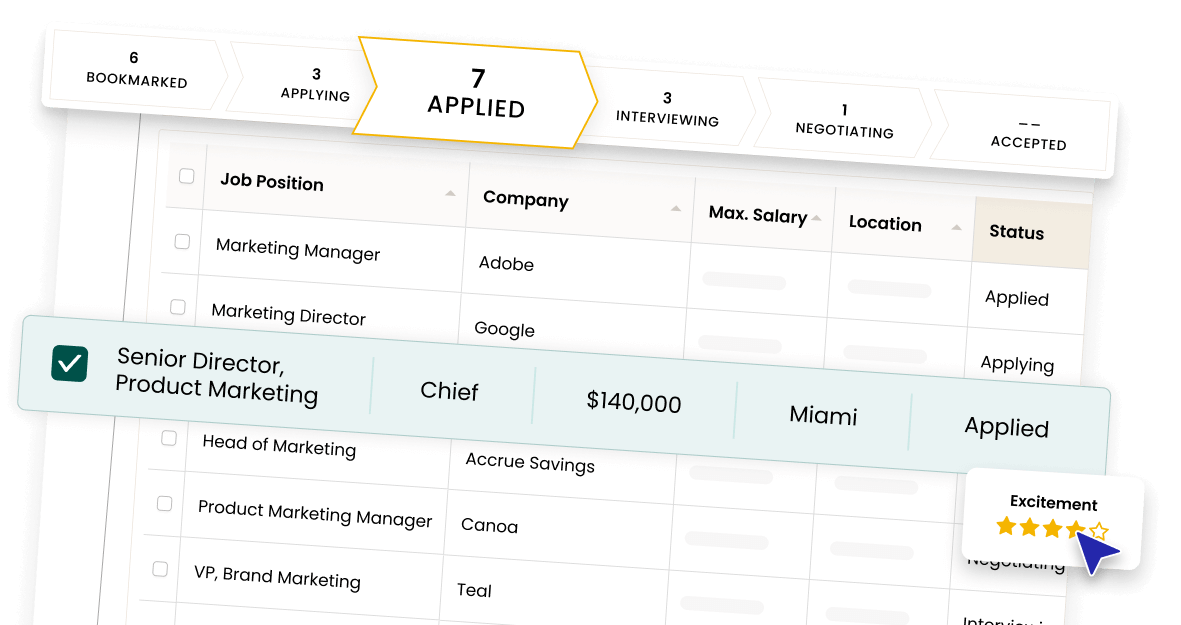
- Track your applications so you can see your progress and follow up when needed
How to do it with Teal:
- Application Goal - Set your weekly application goal and track your progress—so you always know where you stand
- Follow-Up Reminders - Get reminders to follow up on applications so nothing falls through the cracks
Where to Start This Week
You don't need to do everything at once. Here's a simple way to begin:
Today: Sign up for Teal (free) and start browsing the job board.
This week: Save 10 jobs that look interesting.
Next week: Apply to 5. Tailor your resume for each one.
Keep going: Repeat weekly. 10 saved, 5 applied. Track your progress and adjust as you learn what's working.
Small steps, done consistently, lead to offers. Your next opportunity is out there—let's go find it.
Frequently Asked Questions
How many jobs should I apply to per week?
Based on our data, successful job seekers applied to about 5 jobs per week. The key is being selective—they applied to roughly half the jobs they saved, focusing on roles where they were genuinely a strong fit.
How long does it take to get a job offer?
Most successful job seekers in our data landed an offer within about 2 months of consistent effort. Some moved faster, some took longer—but sticking to a steady routine of saving and applying each week was the common thread.
Do I really need to tailor my resume for every job?
Yes, but it doesn't have to take long. Small adjustments—like tweaking your summary, reordering bullets, or adding a keyword—make a real difference. Once you have a system, this takes about 10–15 minutes per application.
How many jobs should I save before I start applying?
Start applying as soon as you have a few strong matches. You don't need to wait until you've built a huge list. The goal is to keep both activities going each week: saving new jobs while applying to the best fits.
What's the best way to track my job applications?
Use a job tracker to keep all your applications, statuses, and follow-ups in one place. This helps you stay organized, see your progress, and make sure nothing falls through the cracks.