Computer Vision / Applied AI Intern — Summer 2027
About The Position
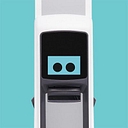
Simbe is seeking a Computer Vision / Applied AI Intern to help build and improve computer vision systems that turn imagery collected by its autonomous Tally robots into actionable retail intelligence. The internship offers hands-on experience applying computer vision and machine learning to real-world data and production systems, with work tied to an active team initiative and a defined, appropriately scoped project. Interns will learn about the lifecycle of CV/ML systems, from datasets and experimentation through evaluation and production deployment, and will work with challenges such as noisy imagery, changing retail environments, data quality, edge cases, and production requirements. The internship is part of a structured cohort. Interns work full time at Simbe’s Burlingame, California headquarters, with a hiring manager responsible for project scope, performance, and feedback, and a dedicated mentor separate from the hiring manager. The program includes structured midpoint feedback, opportunities to collaborate with Simbe engineers, and a final project presentation. Project topics will be selected closer to the start date based on active team priorities. This is a W-2, non-exempt internship lasting up to 12 weeks, with compensation of $48 per hour. Compensation may vary based on relevant skills, prior experience, academic background, and other objective job-related considerations.
Requirements
- Currently pursuing a BS, MS, or PhD in Computer Science, Computer Engineering, Robotics, Machine Learning, Data Science, or a related technical field; students in their final year are primarily targeted, and strong juniors will also be considered.
- Strong Python programming skills, including familiarity with common data structures, algorithms, and software development practices.
- Coursework or hands-on experience in computer vision, machine learning, or deep learning.
- Experience with PyTorch, TensorFlow, or a comparable machine learning framework.
- Experience working with structured Python projects beyond notebooks alone.
- Familiarity with Git or another source-control system.
- Comfort working with data to evaluate results, investigate failures, and support technical decisions.
- Strong technical problem-solving skills and willingness to work through ambiguous or unfamiliar problems.
- Strong communication and collaboration skills.
Nice To Haves
- Personal computer vision, machine learning, robotics, or software projects outside of coursework.
- Previous internship, research, or project experience involving computer vision or machine learning.
- Experience with object detection, image segmentation, OCR, barcode recognition, image classification, or related vision problems.
- Experience creating, cleaning, curating, or evaluating image datasets.
- Familiarity with model evaluation techniques, error analysis, experiment tracking, or data-quality workflows.
- Experience with pandas, NumPy, OpenCV, Jupyter, SQL, or related data and ML tooling.
- Familiarity with Linux, shell scripting, Docker, or cloud-based development environments.
- Experience with AI-assisted coding and engineering tools and the ability to thoughtfully validate generated output.
Responsibilities
- Own and contribute to a scoped project aligned with the Computer Vision / Applied AI team’s priorities.
- Develop, test, and evaluate computer vision and machine learning solutions using Python and modern ML frameworks.
- Work with production image datasets to identify patterns, failure modes, and opportunities for improvement.
- Contribute to areas such as object detection, OCR, barcode decoding, segmentation, dataset curation, annotation quality, model evaluation, or error mining, depending on team needs.
- Build or improve tools that support dataset analysis, model evaluation, experimentation, or production workflows.
- Write maintainable, well-structured code and contribute tests where appropriate.
- Use quantitative analysis to evaluate model performance and communicate findings clearly.
- Collaborate with engineers across Computer Vision, Applied AI, Data, Robot Software, and other technical teams.
- Communicate progress, technical decisions, challenges, and results throughout the internship.
- Present the project, approach, results, and key learnings at the end of the program.
Stand Out From the Crowd
Upload your resume and get instant feedback on how well it matches this job.
What This Job Offers
Job Type
Full-time
Career Level
Intern
Education Level
No Education Listed